


How to Approach Hair Loss with a Client

We catch up with Trichologist Anabel Kingsley for the second of our series with Philip Kingsley and she’s looking at the best way to approach hair loss with your clients.
“Hair loss is a subject deeply personal to me. My father, Philip Kingsley, devoted his life to helping people feel more confident in their hair and scalp health. I’ve proudly continued this mission with the same commitment and compassion.
“For your clients, hair loss is never purely aesthetic. It’s emotional, psychological and often isolating. As hairdressers, you are uniquely positioned—not only to notice early signs, but to be the first person a client turns to for advice. Creating a safe, informed and reassuring environment is therefore essential.
“Recent research shows that most people confide in their hairdresser first when experiencing hair loss. This places you at the frontline of support, making it vital to understand what you’re seeing, how to explain it, and when to guide clients towards further help.
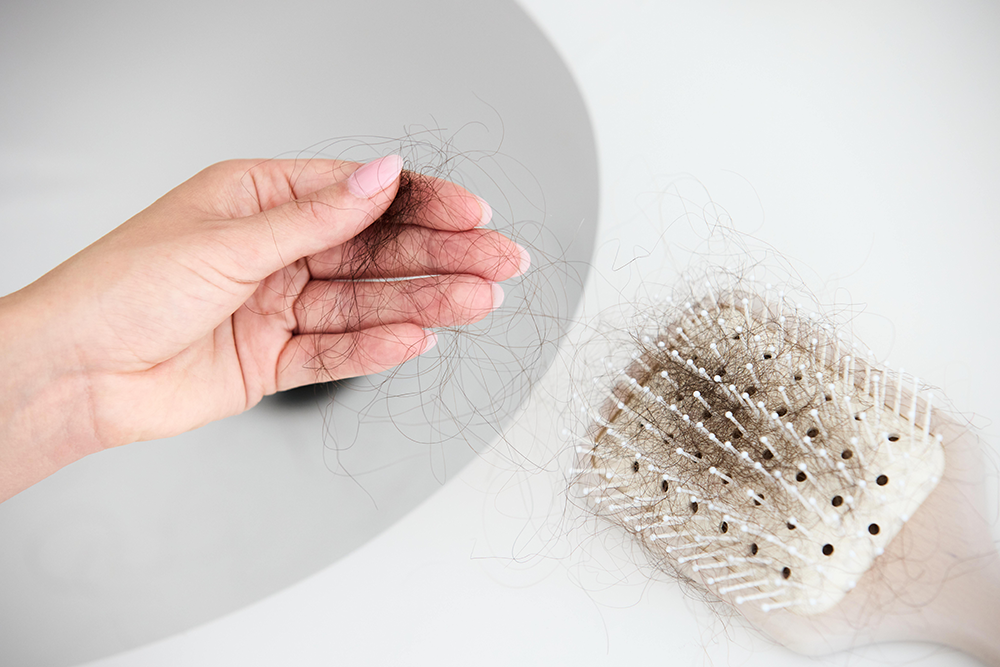
“You may notice clues such as excessive hair in the brush, more strands in the basin, or a client expressing concern about thinning. While alarming for them, your role is to bring clarity and calm and sign post them with the correct education and advice.”
Understanding the Three Types of Hair Loss
“Not all hair loss is the same. In fact, breakage, shedding and thinning are often confused – and can even occur simultaneously – yet each requires a different approach.”
Hair Breakage
“This occurs along the mid-lengths and ends, rather than from the root. It is caused by external damage – think heat styling, chemical processing or mechanical stress. Nutritional deficiencies can also weaken the hair fibre, making it more prone to snapping.
“This form of ‘hair loss’ you will be very familiar with and the one you can most directly improve through nourishing and strengthening treatments and handling advice, such as how to gentle use tools and hair accessories to limit damage.”
Hair Shedding
“Shedding is normal. We lose up to 100 hairs per day. However, a noticeable increase is not.
“Excessive shedding, known as telogen effluvium, is typically triggered by internal factors such as stress, illness, hormonal changes or nutritional deficiencies. It often appears suddenly, but importantly, it is usually temporary.”
Hair Thinning
“Also known as male or female pattern hair loss (androgenetic alopecia), thinning is a gradual, progressive reduction in density. Hair becomes finer, shorter and less pigmented over time due to follicle miniaturisation.
“Unlike shedding, this type of hair loss is genetic and long-term, making early identification and intervention key.”
Hair Shedding (Telogen Effluvium): What to Look For
“Telogen effluvium occurs when the hair growth cycle is disrupted internally. More hairs than usual are pushed from the growth (anagen) phase into the shedding (telogen) phase.
“A key point for client consultations: shedding is a delayed result. It typically occurs 6–12 weeks after the trigger. Encourage clients to reflect on what may have happened 2–3 months prior.”
Common Triggers
- Stress or emotional trauma
- Illness (especially with fever)
- Hormonal changes (e.g. pregnancy, menopause, starting/stopping contraception)
- Nutritional deficiencies (iron, ferritin, protein)
- Crash dieting or rapid weight loss
- Thyroid imbalances
- Medication
How to Support Clients
“Reassurance is crucial. In most cases, once the underlying trigger is resolved, the hair will regrow. You can support clients by:
- Encouraging them to identify and address the root cause looking back 6-12 weeks
- Suggesting to see their GP for blood test to check nutritional deficiencies before supplementation
- Recommending anti-shedding scalp serums
- Highlighting the importance of consistent nutrition
Hair Thinning (Pattern Hair Loss): What to Look For
“Thinning presents very differently from shedding. It is slow, progressive and patterned.
- In women: widening parting, increased scalp visibility
- In men: receding hairline and thinning at the crown
“This occurs due to a genetic sensitivity to androgens, which causes follicles to shrink over time.”
How to Support Clients
“Unlike shedding, thinning will not resolve on its own. Ongoing preventative treatment is essential. Consistency is key and treatment must be maintained to preserve results.
“Clinically proven options include:
- Minoxidil, which helps stimulate growth and protect follicles
- Finasteride (for men), which reduces DHT, the hormone responsible for follicle miniaturisation
How to Tell the Difference
“Being able to confidently distinguish between shedding and thinning is one of the most valuable skills you can offer your clients:
- Shedding (Telogen Effluvium):
- Sudden onset
- Diffuse (all over) hair fall
- Noticeable increase in daily shedding
- Temporary
- Thinning (Pattern Hair Loss):
- Gradual onset
- Specific patterns (parting, hairline, crown)
- Reduced density over time
- Progressive and long-term
What Works and What Doesn’t
“With so much misinformation online, clients often arrive confused. This is where your authority matters.
What Can Help
- Peptides
- Anti-inflammatory ingredients
- Antioxidants
- Targeted scalp treatments
- Nutritional optimisation
What to Approach with Caution
- Rosemary oil
- Scalp oiling as a primary solution
While these may support general hair condition, they are unlikely to address the underlying causes of true hair loss.
Your Role as a Salon Professional
“You don’t need to diagnose, you should refer clients to their GP or a trichologist —but you do need to recognise, reassure and refer when appropriate.
“By understanding the differences between breakage, shedding and thinning, you can:
- Provide immediate clarity and comfort
- Recommend appropriate in-salon and at-home care
- Guide clients towards medical support when needed
“In doing so, you position yourself not just as a stylist, but as a trusted authority in hair and scalp health.”