


Olivia Garden Achieves B Corp Certification

Inside Olivia Garden’s sustainability Journey.
Sustainability conversations in the professional hair sector often focus on colour, chemicals or water usage. Tools are discussed far less yet every hairdresser relies on them daily.
For a brush brand, where durability, heat resistance and chemical resilience are non-negotiable, the sustainability challenge is particularly complex. That’s why Olivia Garden achieving B Corp certification is significant, not because it’s a badge, but because of what the process demanded behind the scenes.
A Purpose-Led Starting Point
For Olivia Garden, the journey began not with marketing, but with philosophy.
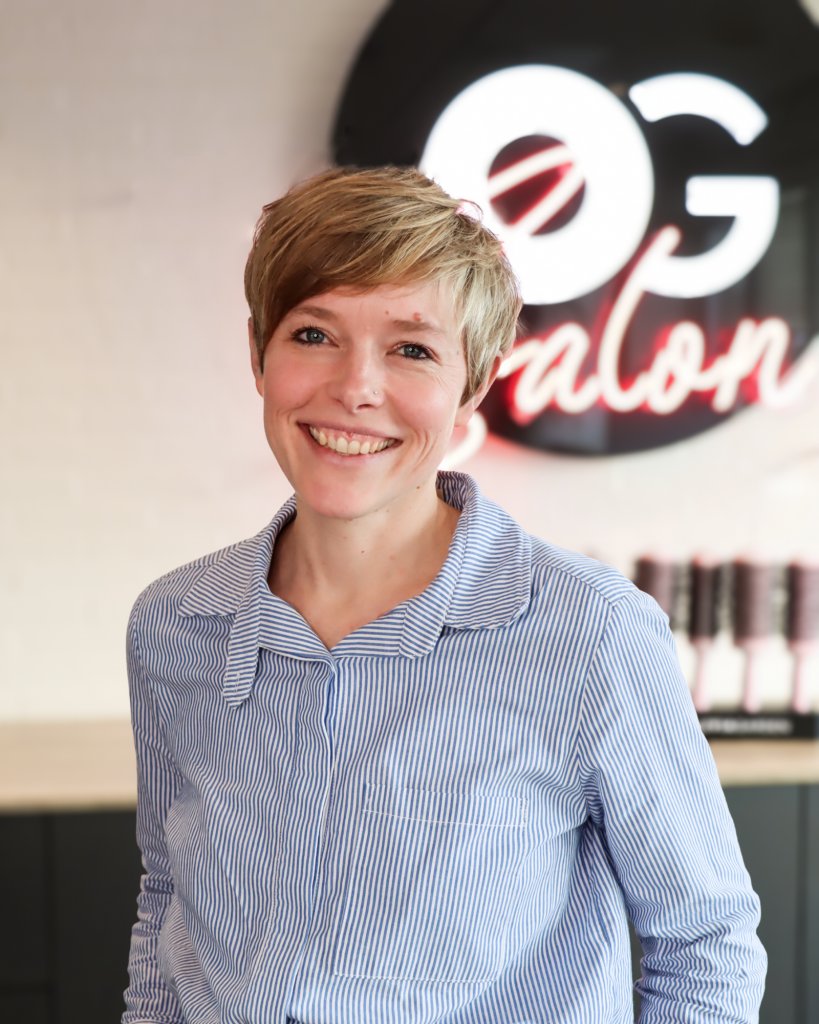
“Our purpose was the starting point. We have always believed that business should be a force for good, and B Corp embodies exactly that. It felt like the ‘Holy Grail’ of sustainability certifications because it doesn’t just focus on environmental practices, but also governance, people, supply chain and community impact,”
– Marie Hélène Aldenhoff, Lead Vendor and Operations Management and B Corp Leader.
The B Impact Assessment (BIA) evaluates companies holistically. Under previous standards, brands needed at least 80 points across multiple categories, including detailed measurement of plastic usage, sourcing transparency and internal governance policies.What surprised the company most was not how much needed changing, but how much was already in place.
“It revealed that we were already on a very good track. Producing brushes in South Korea or China might not immediately sound sustainable, so we initially thought we were far behind. But the assessment showed that many responsible practices were already embedded in our company particularly around people and culture.
One fun example: having a gym in the office does not earn B Corp points, but encouraging employees to engage in health activities does. So every month, after our company meeting, we organize a 30-minute walk together.”
The Plastic Reality
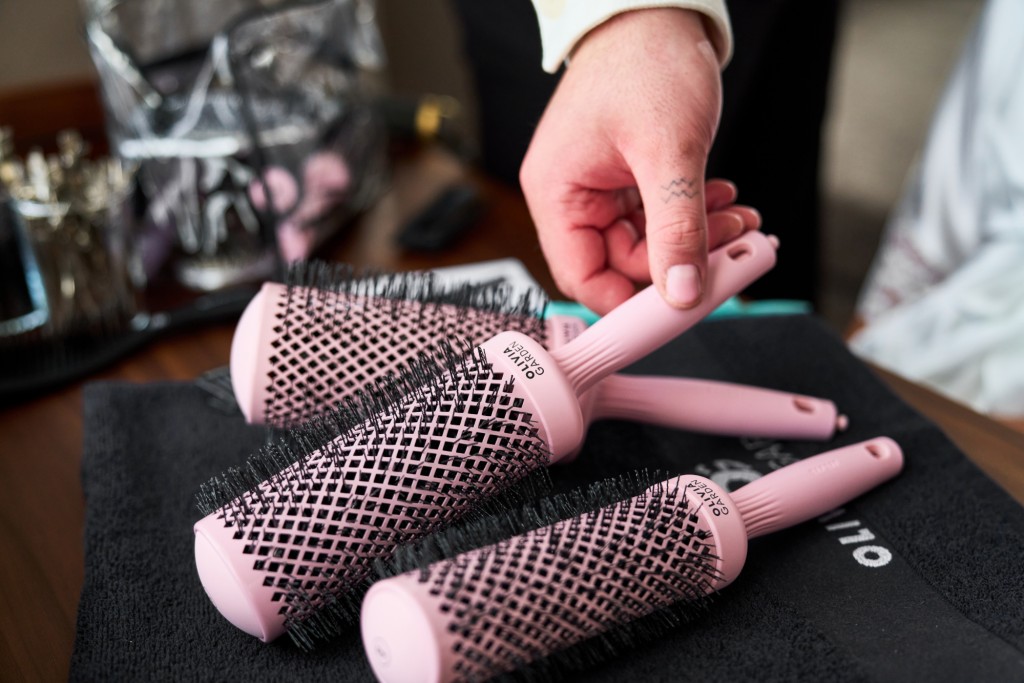
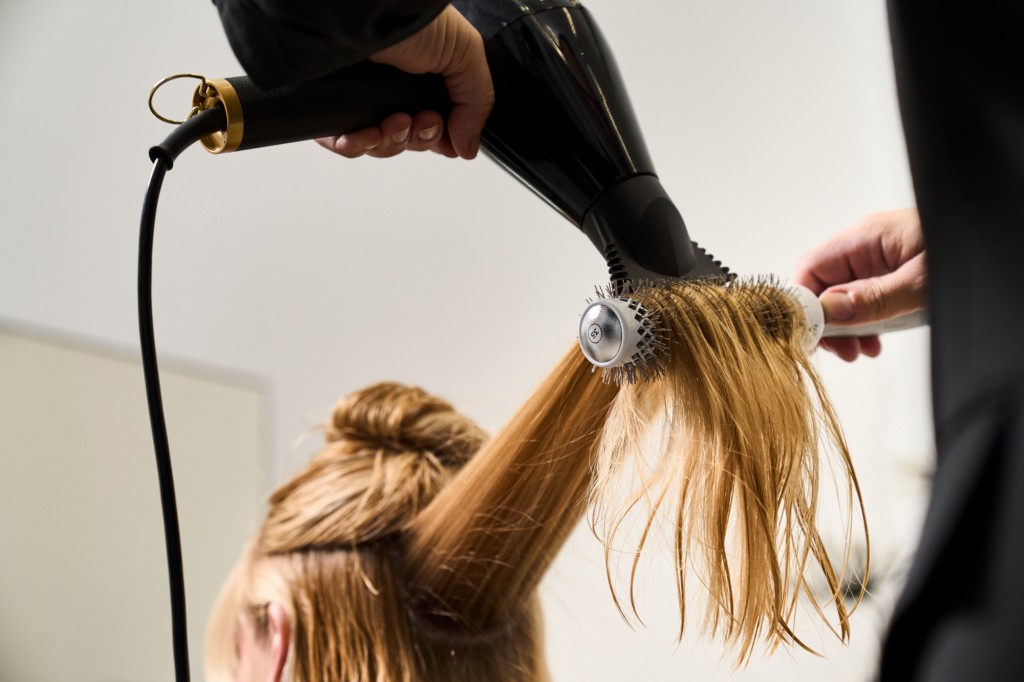
For a professional brush brand, plastic is unavoidable. Tools must withstand heat styling, colouring chemicals, daily wear and constant cleaning. Not all recycled or bio-based plastics can meet those standards.
“Plastic remains one of our biggest challenges. We refuse to compromise on quality. Performance comes first, which makes the sustainability journey more complex, but also more meaningful.
Responsible Plastic Use For Olivia Garden Now Means:
- Reducing virgin plastic where possible
- Increasing recycled content without sacrificing performance
- Designing tools that last significantly longer
- Avoiding unnecessary packaging
- Continuously testing new materials
Durability itself becomes a sustainability strategy. A brush that lasts years reduces overall resource consumption far more effectively than a weaker “eco” alternative that needs replacing quickly.
The biggest ongoing challenge? End-of-life solutions. The company hasn’t yet found a perfect system to collect and recycle brushes. That remains a focus area.
Structural Change
Certification required more than environmental adjustments. Internal policies were formalised, sourcing procedures strengthened and nearshoring initiatives accelerated. Suppliers are now continually challenged to provide lower-impact materials, from recycled plastics to FSC-certified components and more responsible aluminium sourcing.
Perhaps most importantly, sustainability is now embedded in innovation.
“Every new product development starts with the same question: what is the impact on the planet, and how can we reduce it?”
The cultural shift has been equally important. Feedback structures were strengthened internally and externally. ESG considerations are now treated with the same seriousness as profitability. They don’t see sustainability as a commercial advantage, but rather as a necessity. If you’re not sustainable, at some point you risk disappearing.
What It Means for Hairdressers
For hairdressers, the relevance is growing. More businesses are examining their environmental impact and increasingly, clients are asking questions.
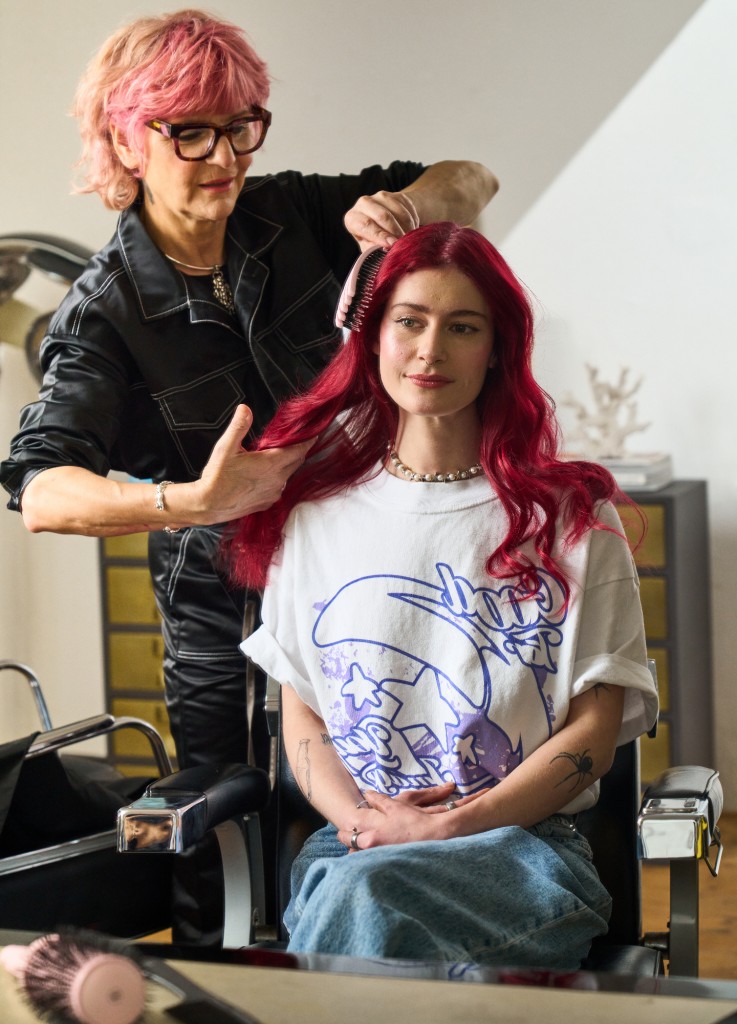
Sustainability has long been central to Olivia Garden’s UK Ambassador, Anne Veck’s ethos.
“If I claim to run a carbon-neutral salon but then stock products from a company that uses non-recyclable plastic or harmful chemicals, my message loses its integrity. Working with responsible brands means I don’t have to ‘apologise’ for the tools I use. Their values act as an extension of my own,”
– Anne Veck.
Learning of Olivia Garden’s B Corp certification, reinforced that alignment.
Anne Veck’s Checklist For Conscious Choice
- What is it made of?
- Is it recycled or responsibly sourced?
- Is it built to last?
- Can it be recycled or disassembled?
- Does the brand provide clear recycling guidance?
- Are they B Corp or similarly certified?
- Do they invest in social and community impact?
Transformation, Not Marketing
Olivia Garden is clear that B Corp is not a sales tool.
“Do it for the right reasons. B Corp is not marketing, it’s transformation. If you approach it as a way to strengthen your business long-term, it becomes incredibly powerful,” – Marie Hélène Aldenhoff.
This Earth Month, the message is simple: sustainability in professional hairdressing doesn’t stop at what goes on the hair. It includes the tools in your hands and the values behind them.
For more info about Olivia Finger Garden and its B Corp accreditation,
please visit www.oliviagarden.eu/en/we-are-a-certified-b-corp.
INSTA @Salon_Business
Previous Story
How to Approach Hair Loss with a Client
Next Story
This is the most recent story.