



The lowdown on The British Hair Consortium
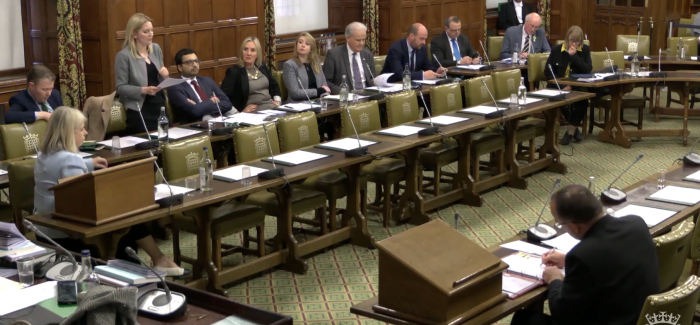

In the first of our regular industry updates from the BHC, we explore what they’re aiming for, why they’re campaigning for change and how you can get involved.
The British Hair Consortium (BHC) is stepping up its efforts to tackle some of the most pressing challenges facing the hairdressing sector, as part of a new series of industry updates aimed at informing and uniting professionals across the UK.
With rising costs, shrinking margins and a sharp decline in apprenticeships, many salon owners are already feeling the strain. According to the BHC, these issues are not isolated but part of wider structural challenges that require industry-wide action.
A Unified Voice for Hairdressing
At the core of the Consortium’s mission is the need to bring the industry together. Historically fragmented by differing business models, employment structures and organisations, hairdressing has often struggled to present a single, cohesive voice to government. The BHC aims to change that, strengthening representation and ensuring the sector is recognised for both its economic and cultural contribution.
The Rising Cost of Running a Salon
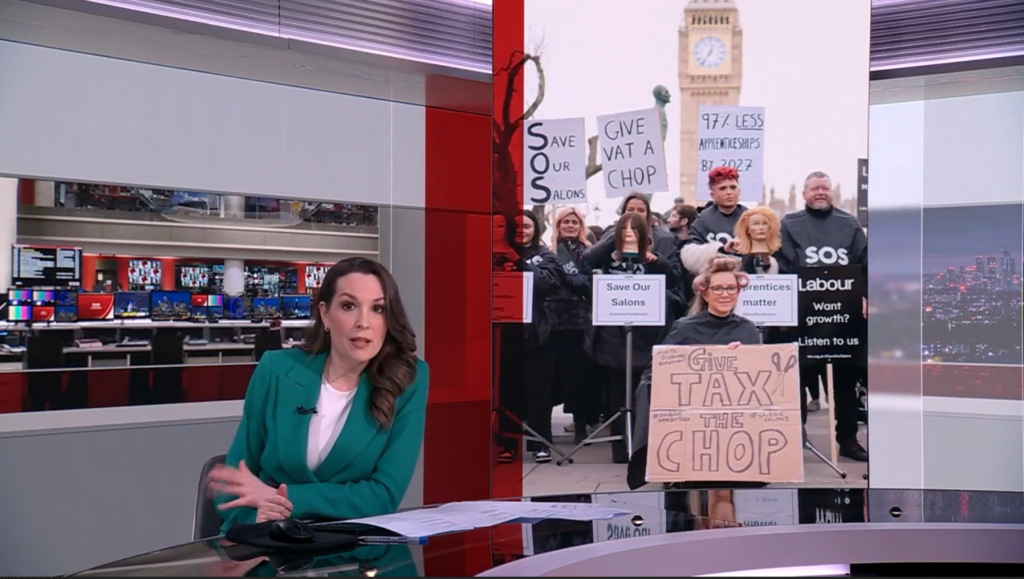
One of the BHC’s key priorities is highlighting the financial realities of operating a compliant salon business. With around 60% of costs attributed to staffing, increases in employment-related expenses have had a significant impact.
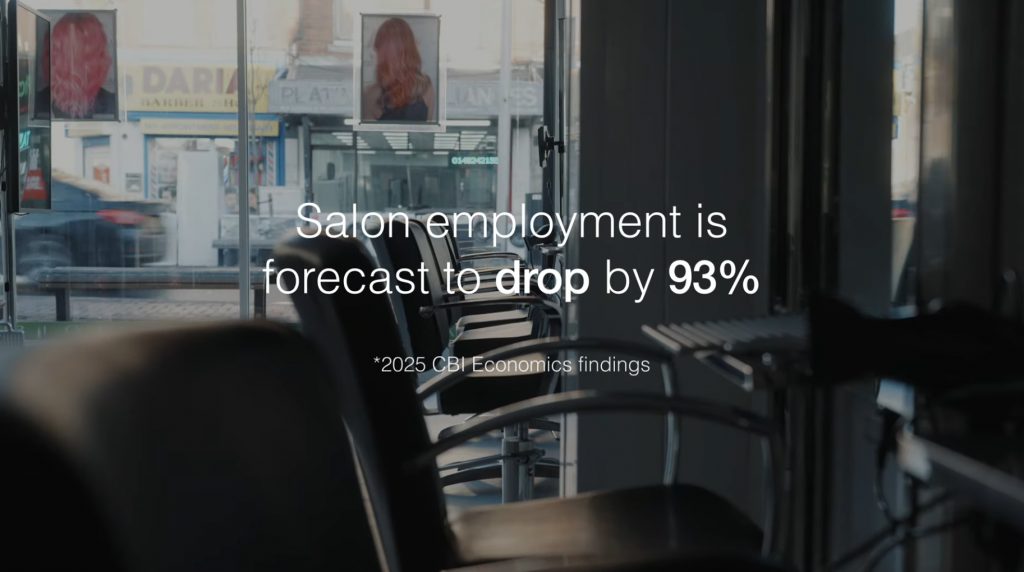
Recent rises in National Minimum Wage, Employer National Insurance, pensions and statutory benefits have added pressure, with apprenticeship wages alone increasing by 93% since 2020. While fair pay remains essential, the speed and scale of these changes have made it increasingly difficult for many salons to invest in training.
The result is a reported 70% drop in apprenticeships, a trend that poses a serious risk to the future talent pipeline of the industry.
Campaigning for VAT Reform
The Consortium is also calling for changes to the current VAT system, which it argues places salons at a disadvantage. While VAT-registered businesses can reclaim tax on products, the service element of hairdressing remains fully VAT-liable – despite being the most labour-intensive part of the business.
The BHC is campaigning for a reduced VAT rate of 10% on services, positioning this not as a profit-driven measure, but as a necessary step to support reinvestment, job creation and long-term sustainability.
Protecting Standards and Professionalism
Another area of focus is the impact of unregulated business models. The BHC has raised concerns around the rise of non-compliant operations and the decline in traditional employment structures, warning that this is creating an uneven playing field.
With no mandatory qualification requirements to open a salon, the Consortium believes professional standards and consumer safety are at risk. It is therefore backing calls from the Hairdressing Council for State Registration, which would introduce greater accountability and reinforce hairdressing as a skilled, regulated profession.
Why Collaboration is Key
Ultimately, the BHC’s message is one of unity. Despite contributing an estimated £6.1 billion to the UK economy, the sector remains largely made up of microbusinesses and lacks the collective influence seen in other industries.
By encouraging collaboration between salon owners, educators, organisations and professionals, the Consortium hopes to drive meaningful change and secure a more sustainable future for hairdressing.
As the industry continues to navigate ongoing challenges, the BHC is clear: without collective action, progress will be limited. With it, there is an opportunity to reshape the future of the profession for the next generation.
More Info: www.bhc.org.uk
INSTA @Salon_Business
Previous Story
Revlon Professional Visionaries 2026
Next Story
This is the most recent story.